DutchNews.nl - DutchNews.nl brings daily news from The Netherlands in English 22 October 2026
Newsletter Donate Advertise
  • News
  • Life in the Netherlands
  • Jobs
  • Partner content
  • Podcast
  • Advertise
  • About us
  • Search
  • Home
  • Economy
  • Politics
  • Art and culture
  • Sport
  • Europe
  • Society
  • Environment
  • Health
  • Housing
  • Education
  • News
    • Home
    • Economy
    • Politics
    • Art and culture
    • Sport
    • Europe
    • Society
    • Environment
    • Health
    • Housing
    • Education
  • Life in the Netherlands
    • Latest
    • Opinion
    • Books
    • Travel
    • 10 Questions
    • Learning Dutch
    • Inburgering with DN
    • Food & Drink
    • Ask us anything
  • Jobs
  • Partner content
  • Podcast
  • Advertise
  • About us
    • Donate
    • Team
    • Advertise
    • Contact us
    • Writing for Dutch News
    • Privacy
    • Newsletter
  • Search

Dutch workers more likely to stay on after state retirement age
October 21, 2026
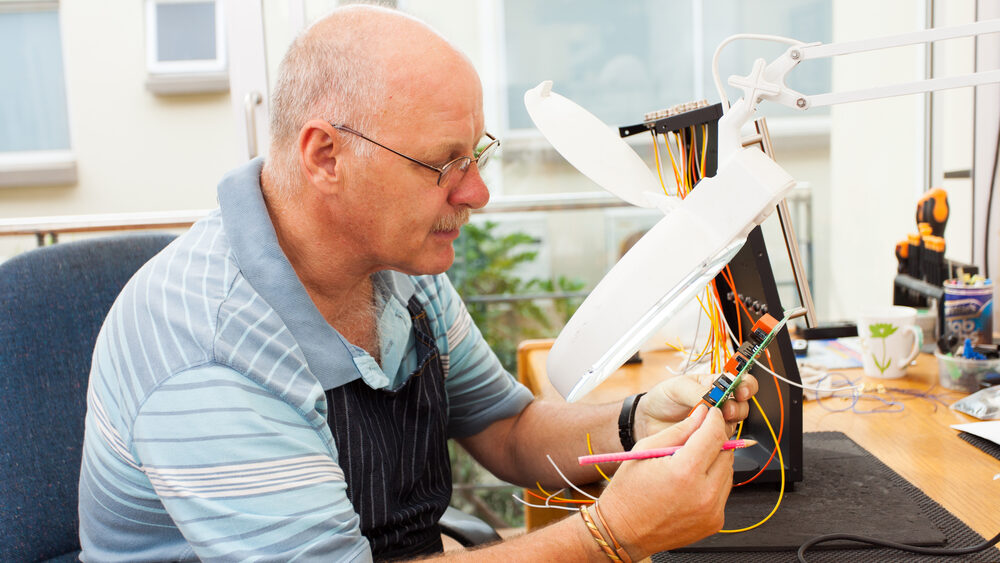
Photo: Depositphotos.com

See more DutchNews articles in your Google search results

See more DutchNews articles in your Google search results

Add as a favourite source on Google Add DutchNews as a favourite source on Google

The number of Dutch workers who stay in work beyond the statutory retirement age has increased by more 50% in eight years, according to latest figures from the statistics agency CBS.

In the second quarter of this year 152,000 people in work were over the age of 67, representing 1.7% of the working population.

In the first quarter of 2018 1.2% of workers were beyond the retirement age, which was then 66, equivalent to 96,000 people.

Men are more likely than women to keep going to work after drawing their pension, the figures show. In June 2.3% of men over 67 were working, compared to 1.1% of women.

The figures also revealed large differences between sectors, with 4.3% of people working in real estate after their 67th birthday compared to 0.6% of civil servants.
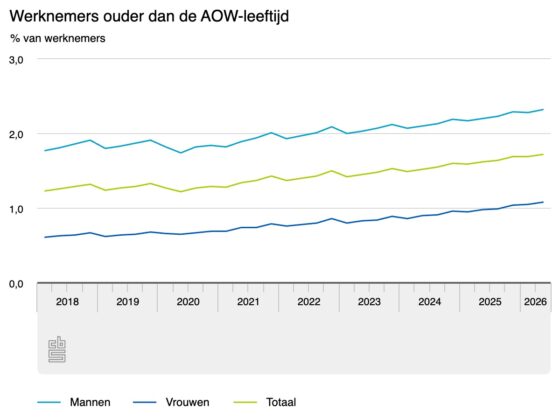
Trend in percentage of workers older than retirement age (men/women/total). Graphic: CBS

A study by the demographic institute NIDI in 2023 found that most people who kept working in retirement did so because they enjoyed their job or to feel useful. Just 10% said the need to earn money was a significant factor.

The Netherlands has the latest retirement age in the European Union, along with Denmark, Sweden, Italy and Greece. The state pension age is due to increase to 67 years and three months in 2028.

Share this article Add DutchNews to Google
  • Facebook
  • Twitter
  • LinkedIn
  • Reddit
  • Copy URL
Retirement Society Work
Thank you for donating to DutchNews.nl.

We could not provide the Dutch News service, and keep it free of charge, without the generous support of our readers. Your donations allow us to report on issues you tell us matter, and provide you with a summary of the most important Dutch news each day.

Make a donation
Latest
Show more
Police shut 30 webshops linked to counterfeit pill deaths
Some important websites remain down after emergency shutdowns
Airbnb to hosts: no more asking guests to wash the dishes
Afghans washed up on Texel were human smuggling victims
Lost Erasmus book returns to Rotterdam after 400 years
NewsHomeEconomyPoliticsArt and cultureSportEuropeSocietyEnvironmentHealthHousingEducation
Life in the NetherlandsLatestOpinionBooksTravel10 QuestionsLearning DutchInburgering with DNFood & DrinkAsk us anything
Partner content
Advertise
About usDonateTeamAdvertiseContact usWriting for Dutch NewsPrivacyNewsletter
© 2026 DutchNews | Cookie settings

Help us to keep providing you with up-to-date news about this month's Dutch general election.

Our thanks to everyone who donates regularly to Dutch News. It costs money to produce our daily news service, our original features and daily newsletters, and we could not do it without you.

If you have not yet made a donation, or did so a while ago, you can do so via these links

The DutchNews.nl team

Donate now

Dutchnews Survey

Please help us making DutchNews.nl a better read by taking part in a short survey.

Take part now