DutchNews.nl - DutchNews.nl brings daily news from The Netherlands in English

5 May 2026
Newsletter Donate Advertise
  • News
  • Life in the Netherlands
  • Jobs
  • Partner content
  • Podcast
  • Advertise
  • About us
  • Search
  • Home
  • Economy
  • Politics
  • Art and culture
  • Sport
  • Europe
  • Society
  • Environment
  • Health
  • Housing
  • Education
  • News
    • Home
    • Economy
    • Politics
    • Art and culture
    • Sport
    • Europe
    • Society
    • Environment
    • Health
    • Housing
    • Education
  • Life in the Netherlands
    • Latest
    • Opinion
    • Books
    • Travel
    • 10 Questions
    • Learning Dutch
    • Inburgering with DN
    • Food & Drink
    • Ask us anything
  • Jobs
  • Partner content
  • Podcast
  • Advertise
  • About us
    • Donate
    • Team
    • Advertise
    • Contact us
    • Writing for Dutch News
    • Privacy
    • Newsletter
  • Search

Will the scent of lion manure keep deer in the Dutch dunes?

August 14, 2018
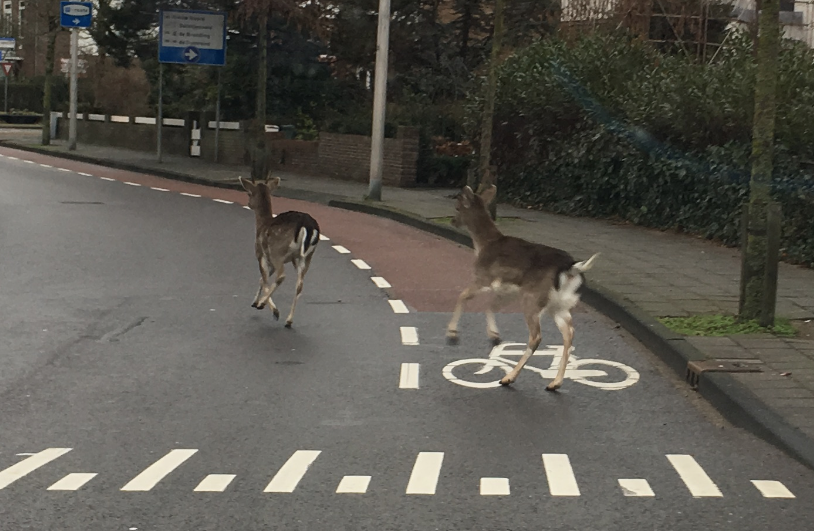
Deer in a Zandvoort residential area earlier in January. Photo: DutchNews.nl

Amsterdam’s water board is considering using smell dispensers to try to keep deer in the dune area west of the city from crossing roads and going into gardens, the Parool reported on Tuesday.

The paper said officials have approached a company in Rosmalen which makes giant smell dispenser, similar to household air fresheners, to ward off animals.

But rather than lavender or lilies, the Rail Road Systems machines emit the small of lion manure and fire. It stinks like an ashtray which has been left out in the rain for three days, spokesman Patrick Steiiger told the paper.

The posts have already been placed along a few stretches of railway to keep rabbits, foxes and wild boar away, and the project has been successful, Steijger said.

The water board ran trials using a different sort of smell dispenser last year but the deer were not impressed. Now a new system has been developed, prompting officials to look again, the paper said.

The key ingredient is known as tupoleum which was made by a German chemist who developed it to keep deer away from Christmas trees when they were being grown.

Even though Dutch dune deer have never met a lion, fear of the smell is deep-rooted, VU University professor Nico van Staalen told the Parool. ‘All animals fear preditors and fire,’ he said. ‘Even if they smell them for the first time, the message is ‘get out of here’.’

Share this article
  • Facebook
  • Twitter
  • LinkedIn
  • Reddit
  • Copy URL
Society
Thank you for donating to DutchNews.nl.

We could not provide the Dutch News service, and keep it free of charge, without the generous support of our readers. Your donations allow us to report on issues you tell us matter, and provide you with a summary of the most important Dutch news each day.

Make a donation
Latest
Show more
Jetten voices support for making Liberation Day national holiday
Liberation Day fire lit as national celebrations begin
Drugs kingpin Bolle Jos linked to record cocaine seizure at sea
Rare white-beaked dolphin found alive on Egmond beach
Albert Heijn to trial body cameras for security guards
NewsHomeEconomyPoliticsArt and cultureSportEuropeSocietyEnvironmentHealthHousingEducation
Life in the NetherlandsLatestOpinionBooksTravel10 QuestionsLearning DutchInburgering with DNFood & DrinkAsk us anything
Partner content
Advertise
About usDonateTeamAdvertiseContact usWriting for Dutch NewsPrivacyNewsletter
© 2026 DutchNews | Cookie settings

Help us to keep providing you with up-to-date news about this month's Dutch general election.

Our thanks to everyone who donates regularly to Dutch News. It costs money to produce our daily news service, our original features and daily newsletters, and we could not do it without you.

If you have not yet made a donation, or did so a while ago, you can do so via these links

The DutchNews.nl team

Donate now

Dutchnews Survey

Please help us making DutchNews.nl a better read by taking part in a short survey.

Take part now